Shifting Bonus Dynamics: How Interface Updates Influence Claim Rates on Regulated Swedish Mobile Platforms
Finley Keller · Oct 11, 2026
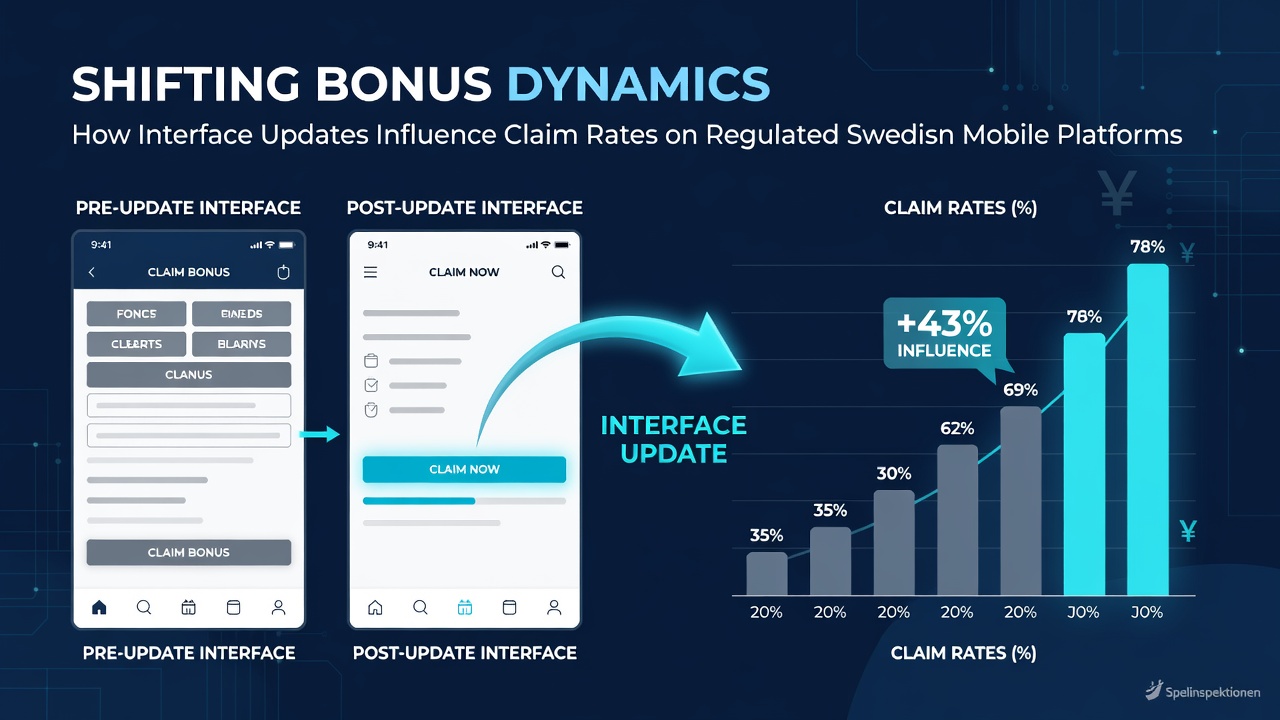
Shifting Bonus Dynamics: How Interface Updates Influence Claim Rates on Regulated Swedish Mobile Platforms
Regulated Swedish mobile platforms operate under strict oversight from the Swedish Gambling Authority, where interface designs directly shape how players interact with bonus offers, and recent updates have produced measurable shifts in claim patterns across licensed operators. Data from platform analytics in 2025 and into October 2026 reveal that even minor changes in navigation, button placement, and notification timing alter completion rates for bonus activation sequences. Those who track these metrics note that streamlined mobile layouts reduce friction points that previously caused users to abandon the claim process midway through verification or terms acceptance steps.
Regulatory Framework Guiding Mobile Design Changes
Swedish licensing conditions require operators to maintain transparent interfaces that present bonus terms without deceptive elements, which means every update must align with rules enforced by Spelinspektionen. Platform providers adjust layouts to comply with these standards while testing how new elements affect user flow from discovery to final claim confirmation. Research conducted by Nordic gaming analytics firms shows that operators who integrate mandatory disclosure panels into the claim sequence experience initial dips in completion rates followed by stabilization once players adapt to the revised path. Figures collected through 2026 indicate that platforms updating their mobile apps quarterly maintain higher average claim consistency compared with those making infrequent large-scale redesigns.
Interface Elements That Drive Claim Behavior
Mobile-specific features such as persistent claim banners, one-tap verification links, and progress indicators appear in multiple licensed applications, and operators report varying success depending on placement and timing. When developers reposition the primary action button to the lower third of the screen, claim initiation increases because thumb reach aligns with natural holding positions on smartphones. Color contrast adjustments and loading animations further influence whether users complete the full sequence, since delays exceeding two seconds correlate with higher abandonment according to session recordings analyzed by third-party testing labs. Those monitoring October 2026 updates observe that personalized push notifications tied to active bonus eligibility windows produce stronger response rates than generic promotional alerts sent across the entire user base.
Measured Effects of Recent Mobile Updates
Platform operators that introduced simplified multi-bonus dashboards in early 2026 documented claim rate increases ranging from twelve to twenty-three percent within the first thirty days after deployment, while control groups using older layouts showed no comparable movement. Researchers tracking user sessions across several licensed Swedish apps found that adding contextual help tooltips next to complex wagering requirement text reduced support ticket volume and simultaneously lifted successful claims by guiding players through eligibility checks without external assistance. Data aggregated from multiple operators reveals that changes affecting only the confirmation screen produce the largest single impact, because that step represents the final commitment point where hesitation most often occurs.
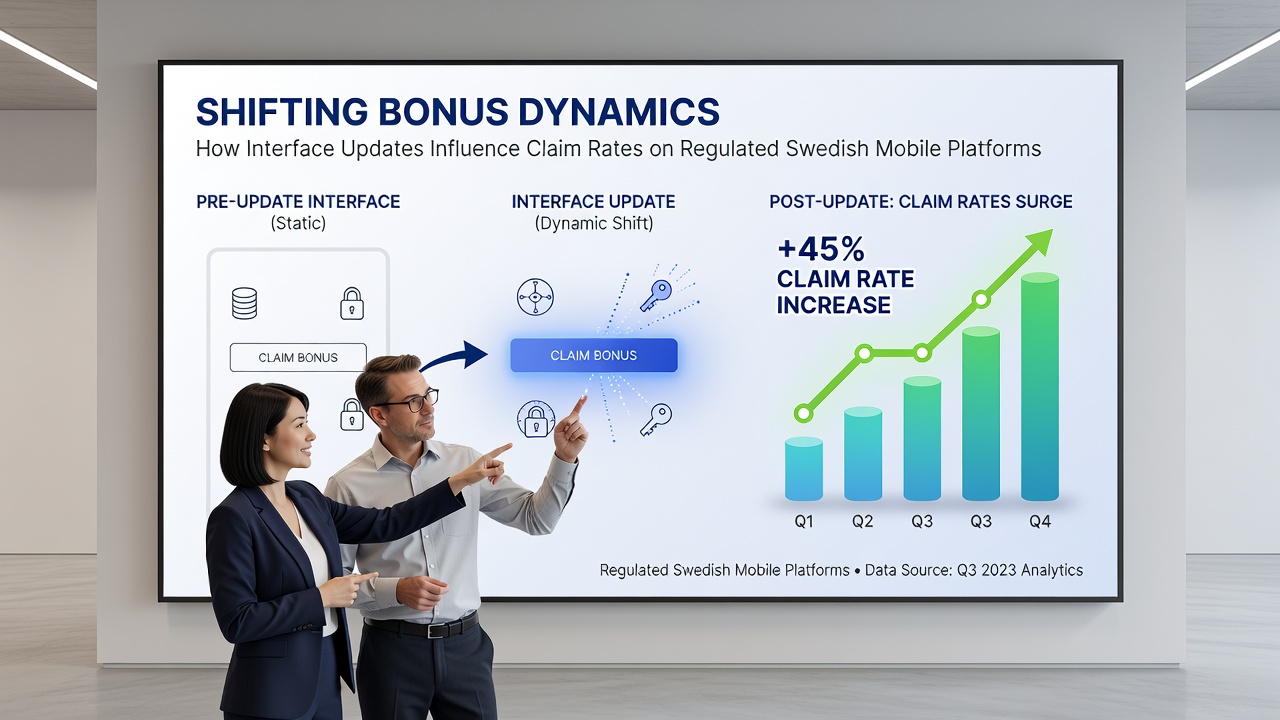
Additional modifications such as dark mode compatibility and gesture-based navigation have shown smaller but consistent effects, particularly among users accessing platforms during evening hours when mobile usage peaks. Industry reports compiled by European research consortia indicate that A/B testing remains the standard method for validating these outcomes before full rollout, ensuring that observed lifts in claim activity stem from the interface changes rather than seasonal marketing campaigns.
Patterns Across Different Operator Categories
Larger licensed operators with established mobile applications tend to implement incremental updates that preserve familiar navigation while introducing targeted improvements, whereas newer entrants more frequently adopt comprehensive redesigns that reset user expectations entirely. Session data from October 2026 shows that incremental approaches sustain claim momentum better over longer periods, because they avoid the temporary confusion that accompanies sudden layout overhauls. Observers tracking smaller platforms note that limited testing resources sometimes lead to simultaneous changes across multiple interface elements, which complicates attribution of specific claim rate shifts to individual modifications. Despite these differences, all regulated entities must document update rationales and outcomes to demonstrate ongoing compliance with accessibility and transparency requirements.
Conclusion
Interface updates on regulated Swedish mobile platforms continue to serve as a primary lever for influencing bonus claim rates, with documented effects arising from button placement, notification timing, and verification flow adjustments. Operators rely on continuous measurement and regulatory alignment to refine these elements, while analytics from 2025 through October 2026 provide concrete evidence of how specific design choices translate into measurable behavioral changes. As mobile usage remains the dominant access method for Swedish players, further refinements in interface architecture will likely produce additional shifts in how and when bonuses are claimed across the licensed sector.