Inside the Mechanics of Reward Accumulation Systems on Authorized Nordic Mobile Gaming Platforms
Freya Weber · Oct 25, 2026
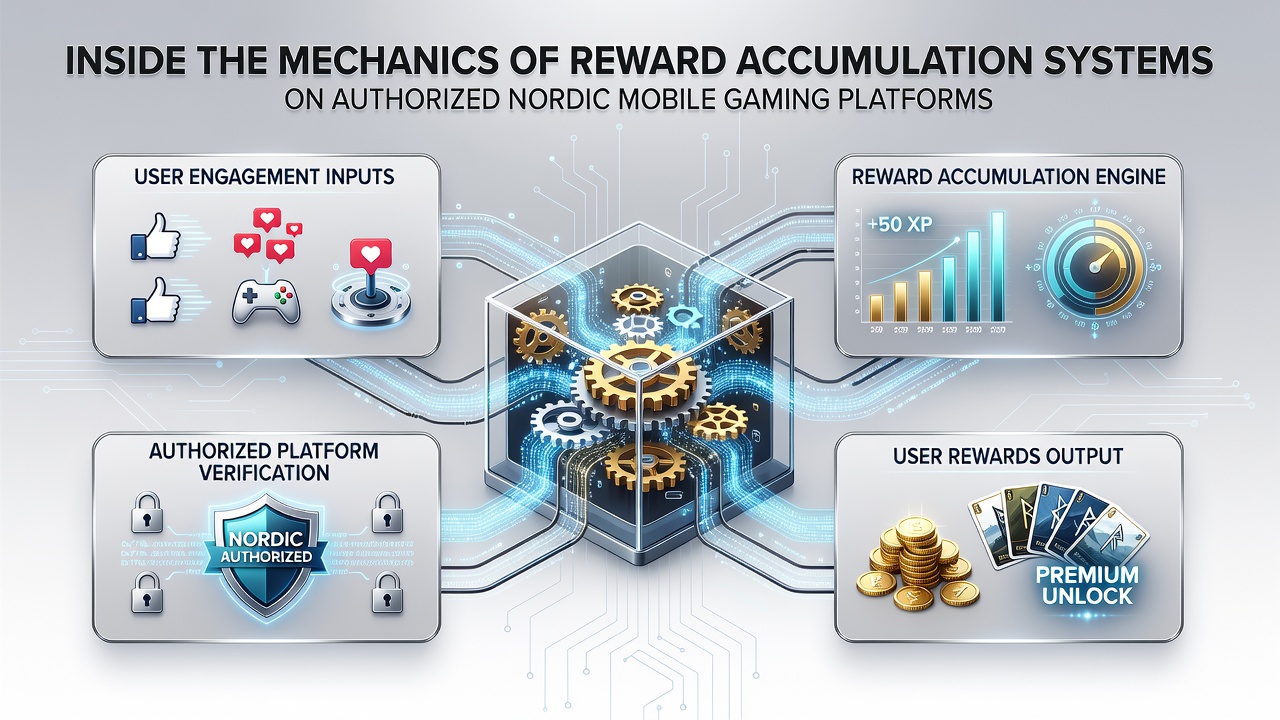
Inside the Mechanics of Reward Accumulation Systems on Authorized Nordic Mobile Gaming Platforms
Authorized Nordic mobile gaming platforms operate reward accumulation systems that track player activity through integrated software layers, and these mechanisms combine deposit records with gameplay metrics to generate points that convert into tiered benefits over time. Data from licensed operators shows that accumulation begins the moment a user completes registration verification and links a payment method, after which every wager contributes to a running total calculated in real time on the mobile application.
Core Tracking Components in Mobile Environments
Platforms licensed in Sweden, Denmark, and Finland employ application programming interfaces that log session duration, bet frequency, and game category participation while synchronizing this information with central servers every few seconds, and this continuous feed allows multipliers to activate automatically when certain thresholds are reached during a single mobile session. Observers note that accumulation formulas often weigh mobile-specific factors such as touch-screen engagement patterns and push-notification response rates alongside traditional spend data, creating layered totals that update without requiring players to navigate separate menus.
Research indicates that the underlying algorithms prioritize consistency, so repeated small wagers on the same device can accumulate faster than sporadic large bets because the system applies a time-decay coefficient that rewards steady mobile activity across consecutive days. Those who study these platforms report that October 2026 brought minor protocol adjustments in several Nordic jurisdictions that refined how cross-device continuity is handled, ensuring points earned on tablets carry over seamlessly to phones without manual intervention.
Integration with Regulatory Data Standards
Operators must align accumulation rules with national gambling authorities that mandate transparent logging of all point-generating events, and compliance teams at these companies export anonymized datasets to regulators on a monthly schedule. According to records maintained by the Swedish Gambling Authority, accumulation systems must isolate promotional credits from real-money wagers so that reward balances cannot influence mandatory loss-limit calculations enforced through the same mobile applications. This separation prevents any single data stream from affecting both reward progress and responsible-gaming safeguards simultaneously.
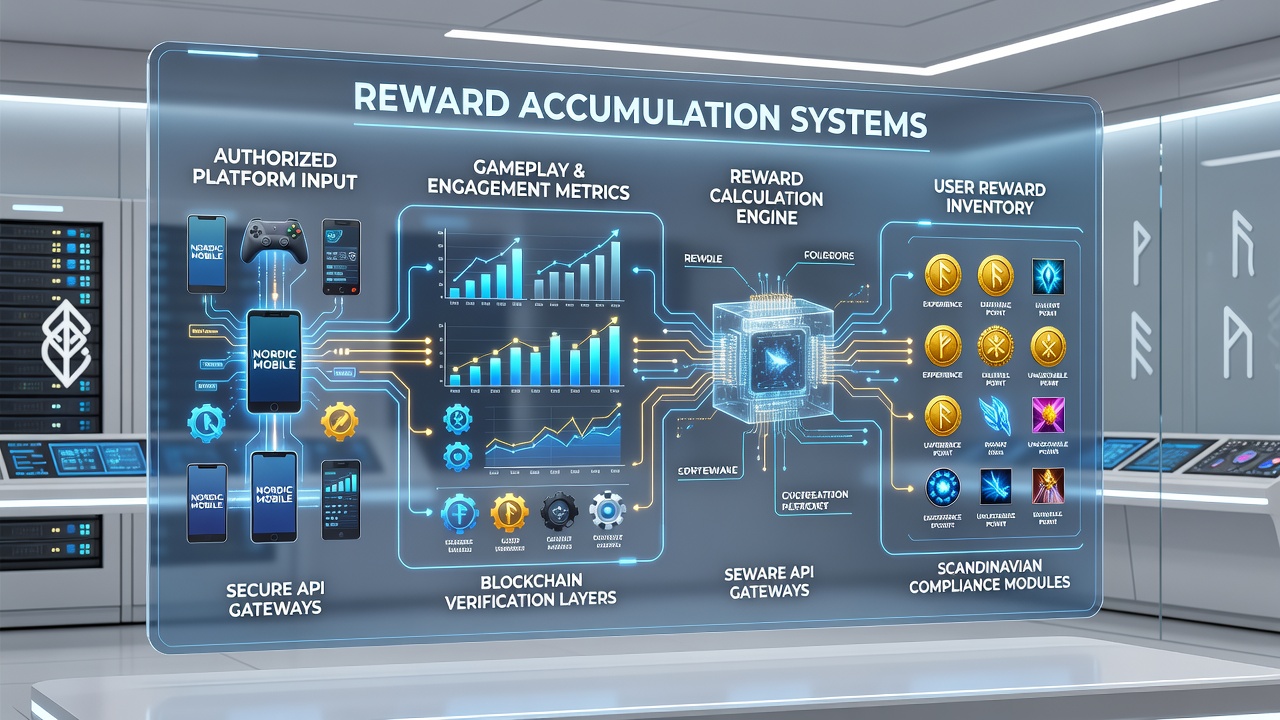
Similar requirements appear in Danish and Finnish licensing conditions, where authorities require operators to maintain audit trails that reconstruct every point award back to its originating transaction, and these trails are subject to random inspections that verify no hidden multipliers favor particular user segments. External analyses from the European Commission’s digital single market reports highlight how such standardized logging supports cross-border comparisons of reward system fairness without exposing individual player identities.
Multiplier Structures and Conditional Triggers
Accumulation mechanics frequently incorporate conditional multipliers that scale with consecutive mobile login streaks or with participation in specific game categories, yet these multipliers reset automatically if a user exceeds daily loss caps set through the platform’s built-in tools. Industry reports from the Nordic Lotteries Association document that many systems apply tiered coefficients ranging from 1.1x for standard play up to 2.5x during limited promotional windows, with the higher rates reserved for activity that meets volume thresholds calculated across a rolling seven-day window.
Platform documentation reveals that mobile push notifications serve as both reminders and triggers, because responding to a notification within a set interval can add an incremental point bonus that compounds with existing totals, and this design encourages habitual checking without violating session-time restrictions enforced by regulators. Studies conducted by researchers at the University of Oslo have examined how these notification-linked bonuses affect overall accumulation velocity, finding measurable differences in point growth rates between users who enable alerts and those who do not.
Data Analytics Behind Point Distribution
Backend analytics engines process millions of micro-transactions daily to determine which players qualify for accelerated accumulation paths, and these engines apply machine-learning models trained on historical behavior patterns to predict future engagement levels. The models adjust point award rates dynamically when aggregate data shows that certain game types produce faster tier progression than others, maintaining equilibrium across the platform’s entire user base. Figures released by the Finnish Gambling Administration indicate that such predictive adjustments occur quarterly, allowing operators to recalibrate formulas in response to shifting player preferences observed through mobile telemetry.
Conclusion
Reward accumulation systems on authorized Nordic mobile gaming platforms rely on synchronized data flows, regulatory-mandated transparency, and conditional multipliers that respond to real-time activity, and these elements combine to create structured progression paths visible directly within the applications themselves. Continued regulatory alignment across Sweden, Denmark, and Finland ensures that the underlying mechanics remain auditable while supporting the operational needs of licensed operators through October 2026 and beyond.