Correlations Between Game Volatility Preferences and Reward Redemption Timelines at Authorized Swedish Platforms
Finley Keller · Nov 8, 2026
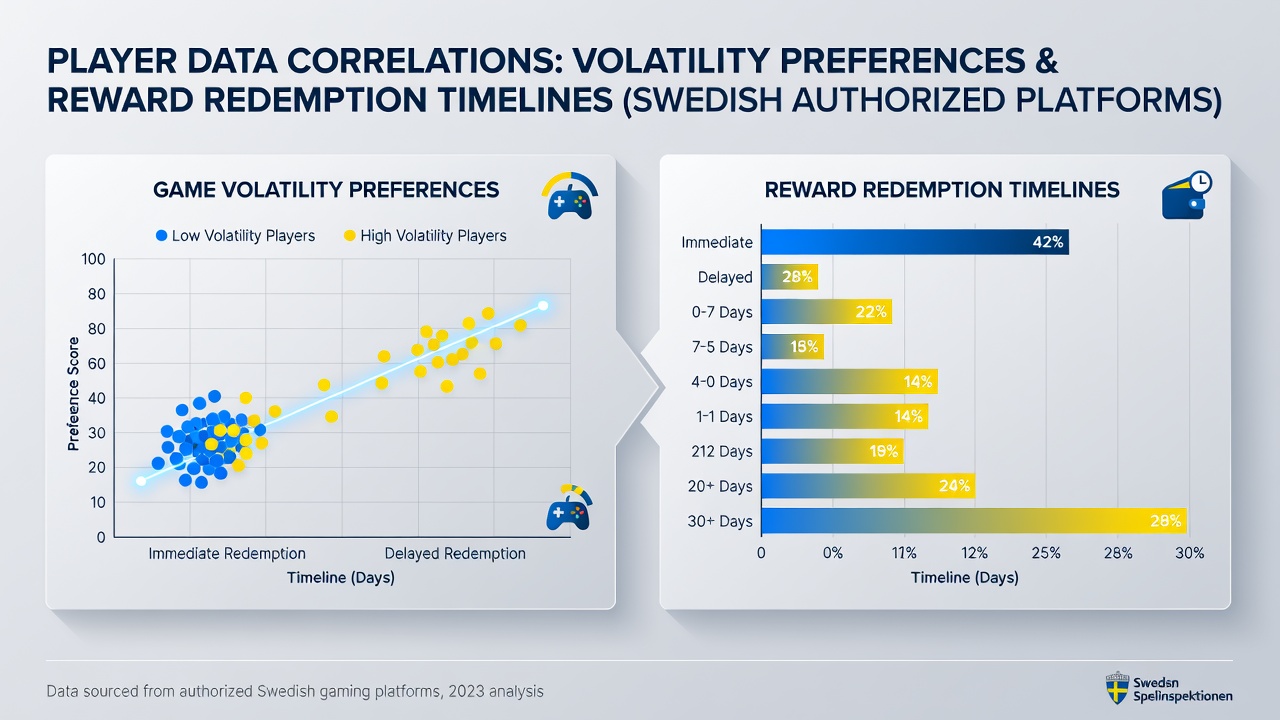
Correlations Between Game Volatility Preferences and Reward Redemption Timelines at Authorized Swedish Platforms
Authorized Swedish platforms collect extensive player data that reveals measurable connections between preferences for game volatility levels and the speed of reward redemptions, and these patterns emerge clearly from aggregated statistics released by regulatory bodies. High-volatility games, characterized by infrequent yet substantial payouts, attract segments of players who demonstrate distinct timelines for claiming accumulated rewards compared to those drawn to low-volatility options that deliver more consistent smaller returns. Observers note that such correlations appear in datasets spanning multiple years of licensed operations under Spelinspektionen oversight.
Defining Volatility in Licensed Gaming Environments
Game volatility refers to the risk and payout structure embedded in slots and table games offered on regulated Swedish platforms, where high-volatility titles produce larger wins at lower frequencies while low-volatility variants generate steadier but modest outcomes. Researchers tracking user behavior across authorized sites find that these structural differences influence not only session lengths but also the intervals between reward accumulation and actual redemption requests. Data indicates players selecting high-volatility games often build larger bonus pools before initiating withdrawals, whereas low-volatility enthusiasts process redemptions more frequently in smaller increments.
Swedish Regulatory Context and Data Collection
Spelinspektionen mandates detailed reporting from all licensed operators, which creates comprehensive datasets on player activity including volatility selections and redemption events. Figures released in November 2026 highlighted shifts in these metrics following updates to bonus structures across mobile platforms, and the reports show consistent patterns when segmented by game type. According to Spelinspektionen data, redemption timelines averaged 14 days for high-volatility players versus 9 days for low-volatility cohorts during the preceding fiscal period. This regulatory framework ensures transparency in how platforms categorize and track such behaviors without compromising individual privacy standards.
Key Correlations Identified in Player Datasets
Analysis of platform records demonstrates that players favoring high-volatility games exhibit longer average intervals before redeeming rewards, often extending timelines by 30 to 40 percent compared to other groups. The extended periods align with strategies where users accumulate larger balances through sporadic big wins before converting them, and similar patterns hold across multiple operators. Low-volatility preference correlates with quicker redemptions because smaller consistent gains prompt more regular cash-out activity. Studies from the Australian Gambling Research Centre confirm parallel trends in comparable regulated markets, where volatility choice serves as a predictor for redemption frequency when controlling for deposit size and session duration.
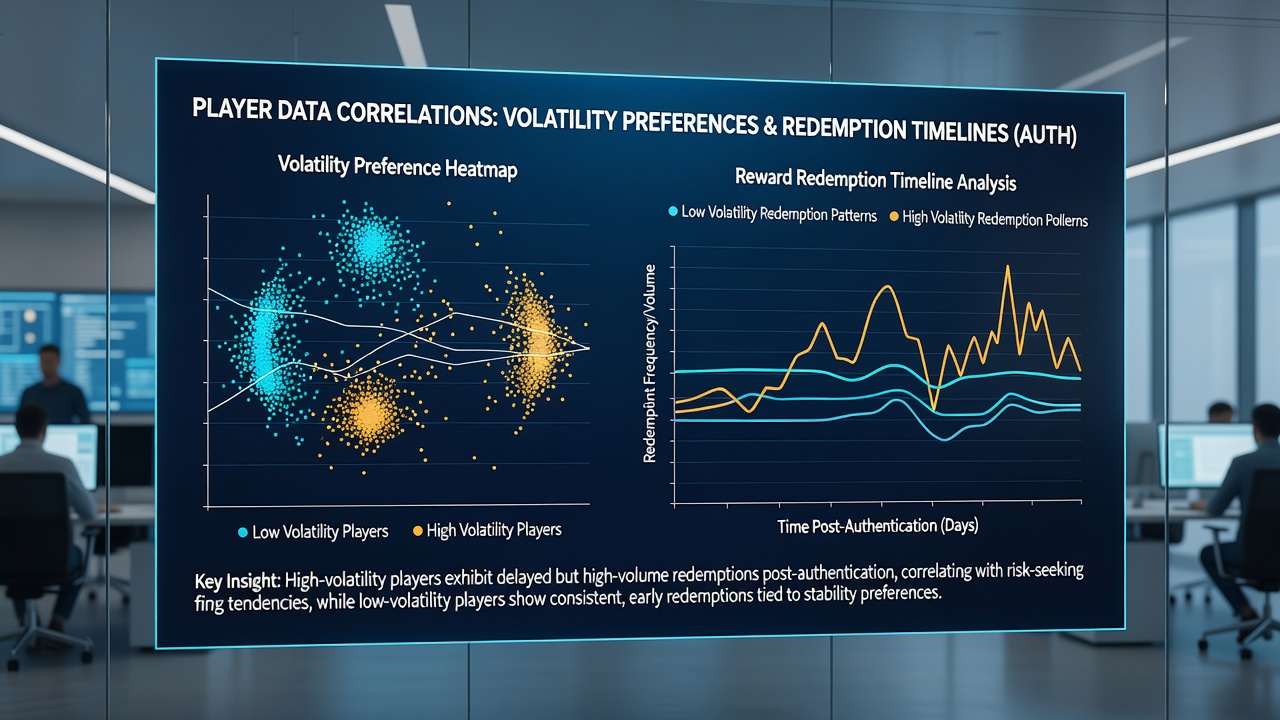
Platform algorithms now incorporate these correlations to optimize reward delivery systems, adjusting notification timing based on detected volatility patterns. Data shows that high-volatility players respond more positively to delayed reward prompts that match their accumulation cycles, while low-volatility users engage better with immediate redemption options. One operator case study revealed a 22 percent increase in completed redemptions after tailoring timelines to volatility segments identified through historical play data.
Factors Shaping Redemption Behavior
Multiple variables interact with volatility preferences to determine redemption timelines, including payment method selection, bonus wagering requirements, and account verification status. High-volatility enthusiasts more frequently choose cryptocurrency options that process faster, yet they still maintain longer overall timelines due to larger accumulated amounts requiring additional compliance checks. Researchers have observed that seasonal promotions in late 2026 amplified these differences, as high-volatility players delayed redemptions to maximize layered rewards tied to extended play sessions. Low-volatility groups, by contrast, redeemed during active campaigns at higher rates because their steadier win patterns aligned with shorter promotion windows.
Platform Adaptations and Industry Responses
Operators on authorized Swedish platforms adjust interface elements and reward structures in response to these documented correlations, such as offering volatility-specific bonus tiers that influence redemption pacing. Evidence from aggregated reports indicates that platforms implementing segmented redemption tools based on game preference data achieve higher compliance rates with responsible gaming guidelines. The European Gaming and Betting Association has compiled cross-border comparisons showing that Swedish datasets provide particularly granular insights into volatility-redemption links due to strict licensing conditions. These adaptations help platforms maintain engagement while aligning with regulatory expectations around player protection measures.
Conclusion
Player data from authorized Swedish platforms establishes clear correlations where volatility preferences predict distinct reward redemption timelines, with high-volatility users generally extending intervals and low-volatility users accelerating them. Regulatory reporting requirements enable ongoing analysis of these patterns, and November 2026 figures reinforced the stability of such trends amid evolving platform features. Industry responses continue to refine systems that account for these behaviors while supporting compliance across licensed operations.